How to Create a Bee-Friendly Garden All Year Round
A bee-friendly garden is not a single planting scheme; it is a sequence. If you want honeybees and wild bees to use your plot from the first mild days of late winter through to the last asters in October, you need to think in waves rather than one glorious summer border. Succession planting is simply the practice of arranging flowers so that something is always in bloom. Get it right and your garden becomes a reliable larder, not a fortnight-long feast. It also becomes a more interesting place for you: there is always a reason to walk outside, check what has opened, and watch which bees have arrived.
The principle sounds obvious, but it asks for a shift in how you plan. Instead of choosing plants only by colour or height, choose them by bloom time. Instead of one lavender hedge, aim for lavender in July, asters in September and hellebores in January. Instead of cutting everything back in autumn, leave some stems standing and some seed heads intact. A bee-friendly garden is generous, but it is also strategic.
Why succession planting matters
A colony’s needs change through the year. In early spring, the queen begins laying again and the brood nest needs pollen as much as nectar. By midsummer, the colony is at its largest and foragers are collecting both. By autumn, the priority shifts to building stores that will carry the bees through winter. A garden that peaks in June and then fades may look lovely, but it leaves a hungry gap when the colony still needs food.
Wild bees have their own timetables. Some solitary bees emerge for only a few weeks, often timed to particular plants. If their flight period coincides with a gap, they move on. A fortnight without flowers in July sends foragers further afield, burning energy and exposing them to more risk. Succession planting keeps the larder open. It also supports different species: short-tongued bees favour shallow flowers such as daisies and umbellifers, while long-tongued bumblebees can reach into deep comfrey, foxglove and deadnettle. The more varied your sequence, the more species your garden can host.
Weather adds another layer of uncertainty. A wet week can stop foraging, a heatwave can scorch nectar, and a late frost can kill early blossom. By planting several species for each season, you build insurance into the garden. If one crop fails, another is waiting.
What bees need, season by season
Early spring: February to April
On mild days, bees leave the hive for water and early forage. Pollen is especially valuable because the colony is raising brood. Aim for generous clumps of willow, snowdrop, crocus, hellebore and winter honeysuckle. Dandelions are a superb early source; leave a few in a corner rather than treating them as weeds. Fruit trees such as apple, plum and cherry bridge the gap into late spring, as do rosemary and flowering currant. Add pulmonaria, mahonia, pussy willow and early daffodils with single flowers. A warm, sheltered wall helps early bees work in weather that would otherwise be too cool.
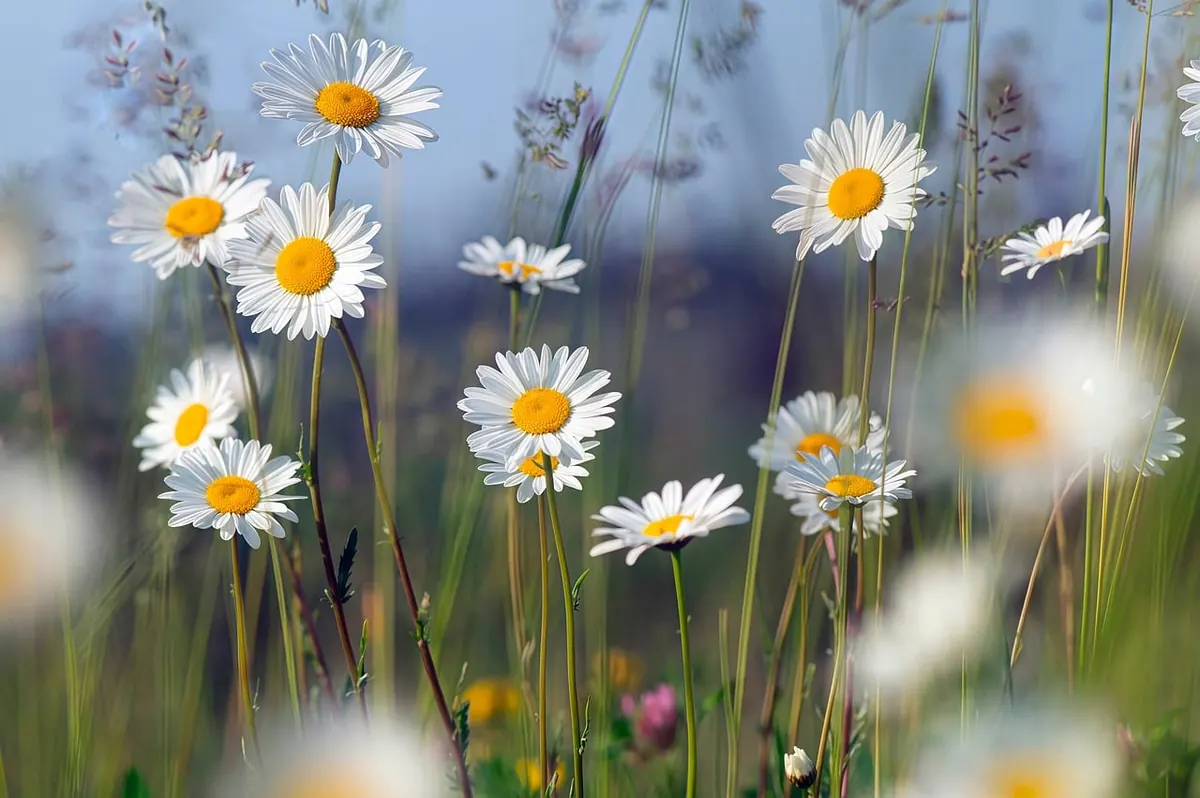
Do not despise the humble lawn at this time of year. Dandelions, daisies and early clover provide easy landing pads. If you can leave part of the grass uncut until the end of April, you will give queen bumblebees a valuable first meal.
Late spring to early summer: May and June
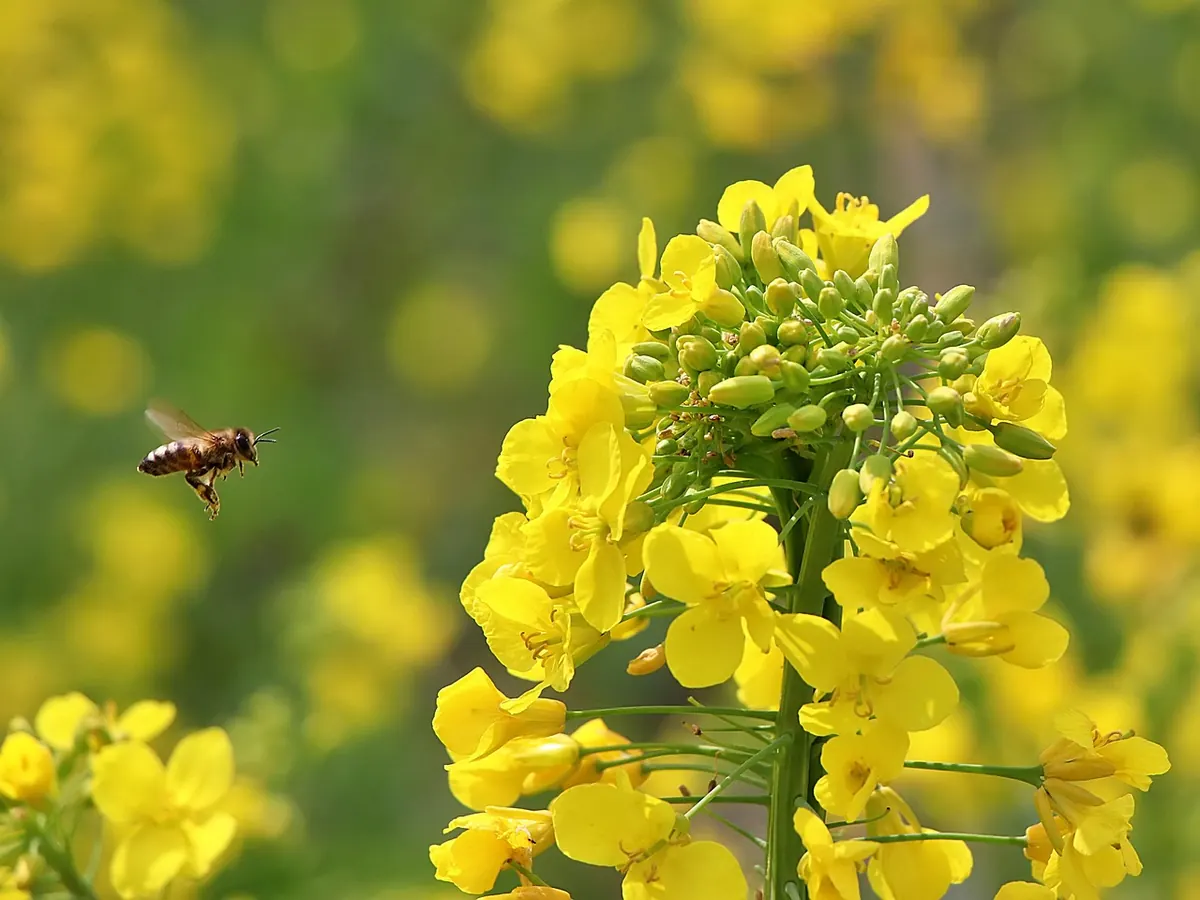
This is the abundance most gardeners picture: hawthorn, comfrey, alliums, chives, borage, thyme, sage and the first clovers. Fruit trees are finishing, but the garden can take over with campion, foxglove, lupin, poached egg plant and ceanothus. Phacelia is a superb annual for bees and can be sown in gaps or as a green manure. Leave herbs to flower rather than snipping every stem: bolted parsley, coriander, mint and oregano are all useful.
June can also bring a subtle gap. The spring blossom is over, but lavender and catmint have not yet opened. Fill it with hardy geraniums, sweet William, valerian, clover and globe artichoke if you have space. These bridge plants are easy to overlook, but they keep foragers local.
High summer: July and August
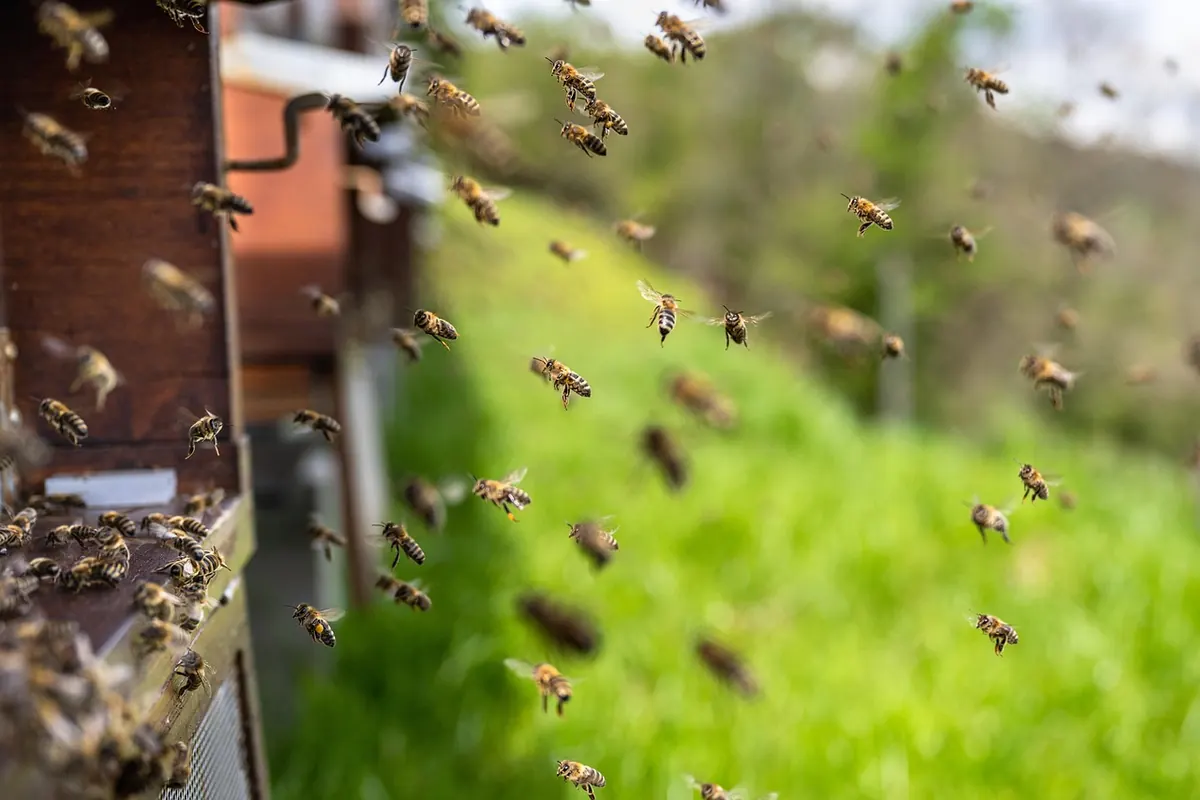
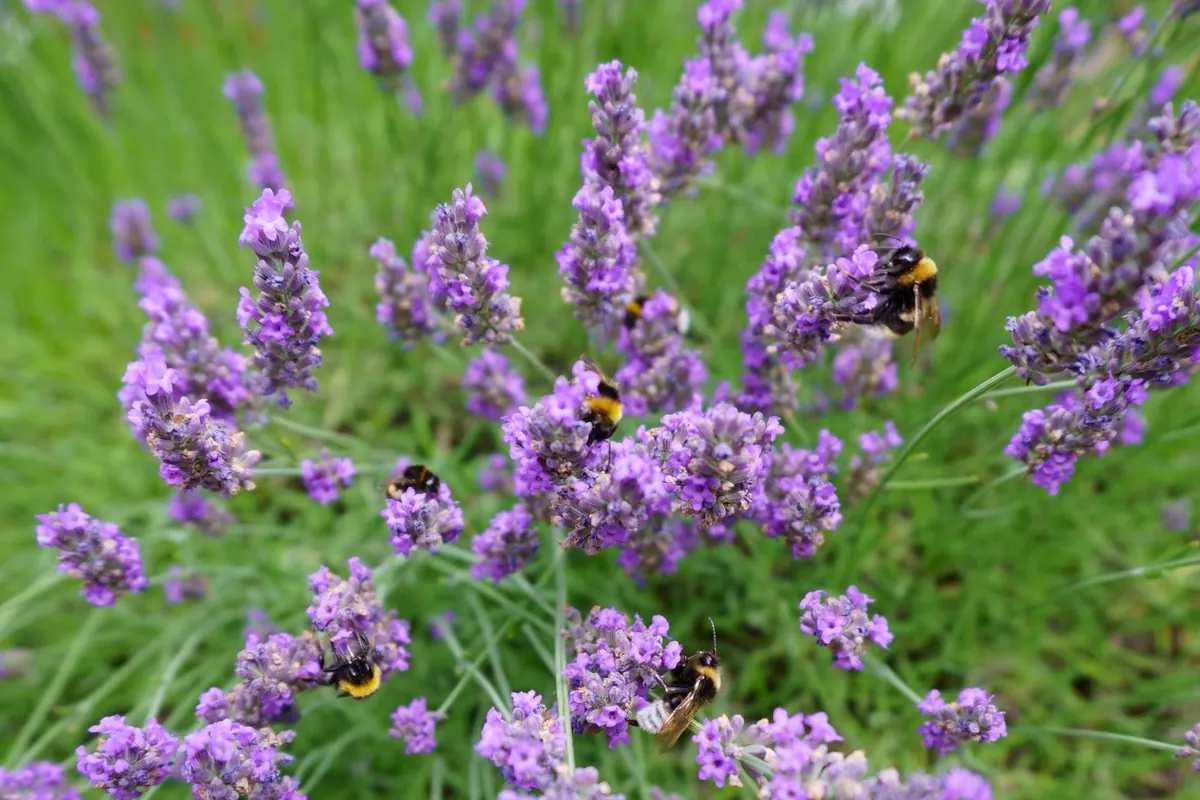
This is peak time for honeybees and bumblebees, and the garden should be loud with them. Lavender, catmint, hyssop, oregano, marjoram, thyme and mint are the backbone. Add globe thistle, echinops, teasel, sunflower, cosmos, zinnia, monarda and borage. Single dahlias and single roses are far more useful than double forms, because bees can reach the pollen and nectar. If you have a hot, dry patch, rosemary, lavender and wall germander will thrive.
Water matters as much as flowers in high summer. Shallow trays with pebbles give bees a safe drink. Keep them topped up and place them near the plants so bees do not have to travel far.
Late summer to autumn: September to October
As the brood nest shrinks and the colony builds winter stores, late flowers become critical. Asters, sedum, helenium, rudbeckia, echinacea, Japanese anemone and goldenrod are all valuable. Ivy is one of the most important autumn plants for bees, even though it is often dismissed as a nuisance. Michaelmas daisies, dahlias and salvias can carry the garden into October. Let some plants go to seed; the seed heads will feed birds later, and the stems will shelter overwintering insects.
Do not tidy too soon. A garden that is cut to the ground in early September may look neat, but it removes the last food of the year. Wait until late winter or early spring to cut back perennials, and leave the cuttings in a loose pile for a few days so any insects can escape.
Winter: November to January
Winter is not a blank season. On mild days, bees may still fly, especially in sheltered gardens. Hellebores, winter honeysuckle, winter-flowering clematis, mahonia, snowdrops and crocus provide small but vital supplies. Ivy flowers can continue into December. More importantly, winter is when bees need shelter. Leave hollow stems, dead wood, leaf litter and undisturbed soil. These are not untidy corners; they are habitat.
Designing for continuous bloom
The easiest way to create a year-round bee garden is to plan by months, not by seasons. Draw a simple chart with twelve rows and list what will be in flower in each. Aim for at least three different plants in bloom every month, and make sure they are planted in clumps rather than scattered singly. Bees are more efficient when they can visit many flowers of the same kind in one trip.
- Use layers: trees and shrubs for early blossom, perennials for summer, bulbs for spring, and annuals to fill gaps.
- Repeat plants: three lavender plants together will attract more bees than one lavender among ten other species.
- Stagger sowings: sow annuals such as borage, phacelia and calendula every few weeks for a longer run of flowers.
- Deadhead selectively: remove spent flowers on some plants to encourage more blooms, but leave others to set seed.
- Choose single flowers: double or heavily ruffled varieties often hide nectar and pollen behind extra petals.
- Include native and near-native plants: they are often best adapted to local bees, but many Mediterranean herbs are excellent too.
More than flowers: shelter, water and nesting sites
Flowers are the headline, but a bee-friendly garden needs more than a long menu. Bees need water, shelter from wind and rain, and places to nest. Solitary bees may nest in bare ground, in old beetle holes, in hollow plant stems or in a simple bee hotel. Bumblebees often use old mouse nests or dry tussocks. Honeybees need a nearby source of clean water, especially in spring when the colony is raising brood.
A few simple additions make a big difference:
- Leave a patch of bare, undisturbed soil in a sunny spot for ground-nesting bees.
- Keep a shallow water dish with pebbles or twigs so bees can land safely.
- Leave hollow stems and dead wood in place over winter.
- Plant a mixed hedge or windbreak to give shelter without blocking sunlight.
- Avoid pesticides, especially insecticides and herbicides, and let a little wildness remain.
Think of your garden as a relay race: each plant passes the baton of nectar and pollen to the next, and the bees keep running all year.
If you get the sequence right, you will notice the garden changing week by week. The first crocus will bring out early bumblebee queens. The lavender will hum in July. The asters and ivy will feed the last foragers before winter. And when the season comes full circle, the hellebores and willow will be waiting again. A bee-friendly garden is not a finished picture; it is a calendar of small, deliberate gifts.
Photo: Budget Bizar / Pexels